Preventing food waste: every resource counts
Every food item that is wasted represents much more than a product that is not consumed. Behind it are raw…

10 Aug, 2026

Energy transition is one of the pillars of Importaco’s sustainability strategy. Moving towards a more efficient, low-carbon energy model enables us to reduce our environmental impact, strengthen the company’s competitiveness and contribute to the fight against climate change.
This transformation is supported by a roadmap that integrates energy efficiency, the progressive incorporation of renewable energy and emissions reduction, with a continuous improvement approach across all our operations.
Improving energy efficiency
The most sustainable energy is the energy that is not consumed. That is why we work continuously to optimise our processes and facilities, monitor energy consumption and identify improvement opportunities that enable us to increase the efficiency of our operations.
This approach helps us anticipate deviations, implement corrective measures and move towards an increasingly efficient and resilient production model.
Promoting a more renewable energy model
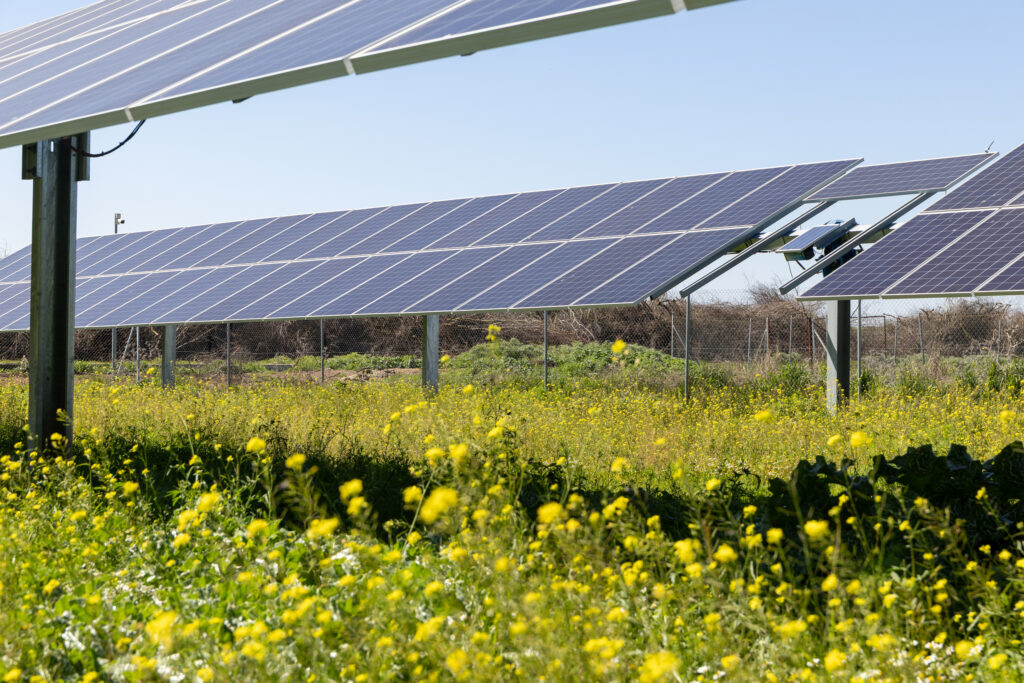
The progressive incorporation of renewable energy is another key pillar of our decarbonisation strategy.
In 2025, 13% of the energy consumed by Importaco came from renewable sources, while self-consumption represented approximately 11% of total electricity consumption. In addition, all our centres in Spain have an energy management system certified in accordance with ISO 50001, reinforcing our commitment to continuous improvement and the responsible use of energy.
A roadmap for decarbonisation
Energy transition forms part of a broader climate strategy aimed at reducing greenhouse gas emissions.
Our roadmap is based on three lines of action: improving energy efficiency, advancing the electrification of processes and progressively increasing the use of renewable energy. This approach enables us to accelerate the transition towards a more sustainable energy model that is prepared for the challenges of the future.
Within this framework, Importaco has defined emissions reduction targets validated by the Science Based Targets initiative (SBTi), aligned with the specific standard for the agri-food sector (FLAG). These include the commitment to reduce Scope 1 and 2 emissions by 42% and Scope 3 emissions by 25% by 2030, using 2023 as the base year.
Innovation to accelerate change
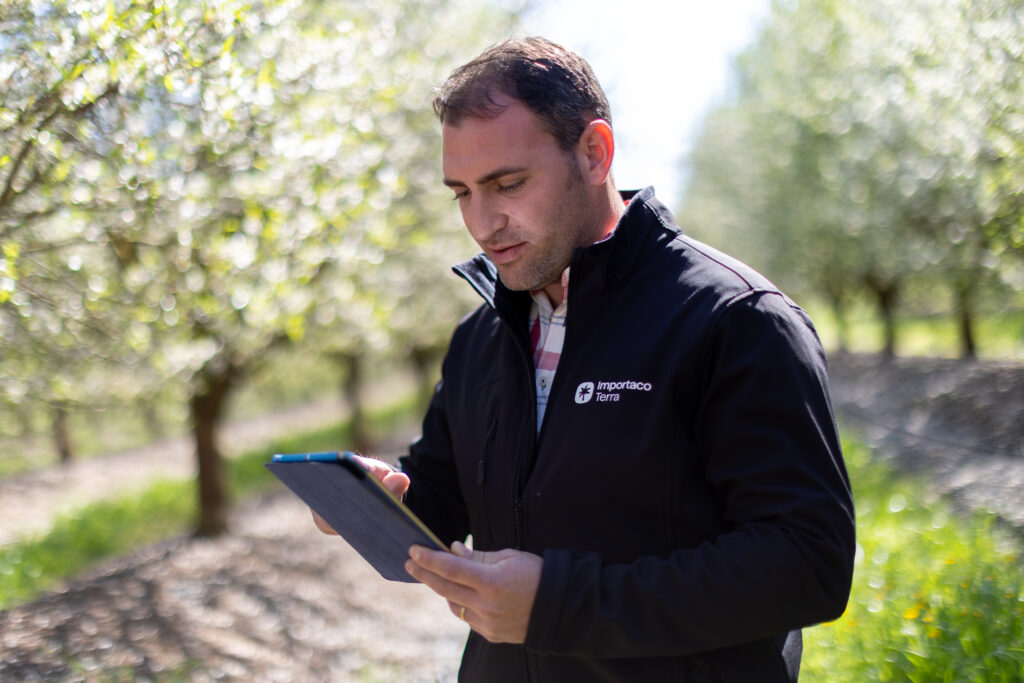
Innovation and digitalisation play a fundamental role in this transformation. The incorporation of new technologies and monitoring tools enables us to better understand our consumption, optimise energy management and make data-based decisions to continue improving our environmental performance.
A commitment to the future
Energy transition is a shared effort that involves the whole organisation. Every improvement in efficiency, every self-consumption project and every step forward in decarbonisation brings us closer to a more responsible energy model.
We continue to move forward with a clear purpose: to integrate sustainability into every decision in order to generate long-term value for people, the planet and future generations.