Preventing food waste: every resource counts
Every food item that is wasted represents much more than a product that is not consumed. Behind it are raw…
29 Sep, 2026
Every food item that is wasted represents much more than a product that is not consumed. Behind it are raw materials, water, energy, natural resources, production and logistics processes, and the work of many people.
Preventing food waste is therefore one of the major challenges facing the food supply chain. It is also directly linked to efficiency, sustainability and the responsible use of resources.
The latest data published by the Spanish Ministry of Agriculture, Fisheries and Food show that in 2025, Spanish households wasted 1.1018 billion kilograms or liters of food and beverages. The volume remained practically stable compared with the previous year, with an increase of 0.4%, while the food waste rate remained at 4.1%. In the longer term, however, the trend is positive, as the volume of food wasted is 11.6% lower than in 2021.
Outside the home, the situation also remained stable. In 2025, the volume of food wasted increased by 0.3%, while the food waste rate remained at 0.7% of total consumption. In addition, the proportion of people who wasted food outside the home fell by 2.3 percentage points compared with 2024.
These figures help to illustrate the scale of a problem with environmental, economic and social consequences. They also highlight the importance of taking action throughout the entire value chain.
At Importaco, we believe that the best way to manage food waste is to prevent it from occurring in the first place. That is why prevention is part of the way we work and of our commitment to process efficiency.
Throughout our operations, we identify the points where losses may occur, analyze their causes and look for measures to reduce them.
Proper production and demand planning help prevent situations involving overstock or obsolescence. Maintaining appropriate storage conditions is also essential to ensure that raw materials and products are properly preserved.
In our production processes, we work to optimize line start-ups and shutdowns, format changes and different production parameters. Continuous improvement in these processes helps us make better use of the resources available.
Early detection of incidents is another key aspect. Analyzing each case and considering the available alternatives before discarding a product helps prevent unnecessary losses, always in line with our food quality and safety standards.
These measures reflect a shared approach to production: making better use of resources from the very beginning of the process.
Even when prevention measures are in place, there are situations in which it is not possible to completely avoid surplus products. In these cases, we seek to preserve the value of the product as much as possible, prioritising redistribution for human consumption.
In line with the hierarchy of priorities established by Law 1/2025, we work with Naria to improve the management and traceability of our surplus products and facilitate their distribution to social organizations. Through this and other donation initiatives, to date we have donated more than 46,000 kilograms of nuts and more than 351,000 liters of water to social organizations.
When redistribution is not viable, we explore other recovery options that allow resources to remain within the value chain for as long as possible.
Our objective is to act at every stage according to a clear principle: prevent food waste and, when it cannot be avoided, find the most appropriate recovery option for each product.
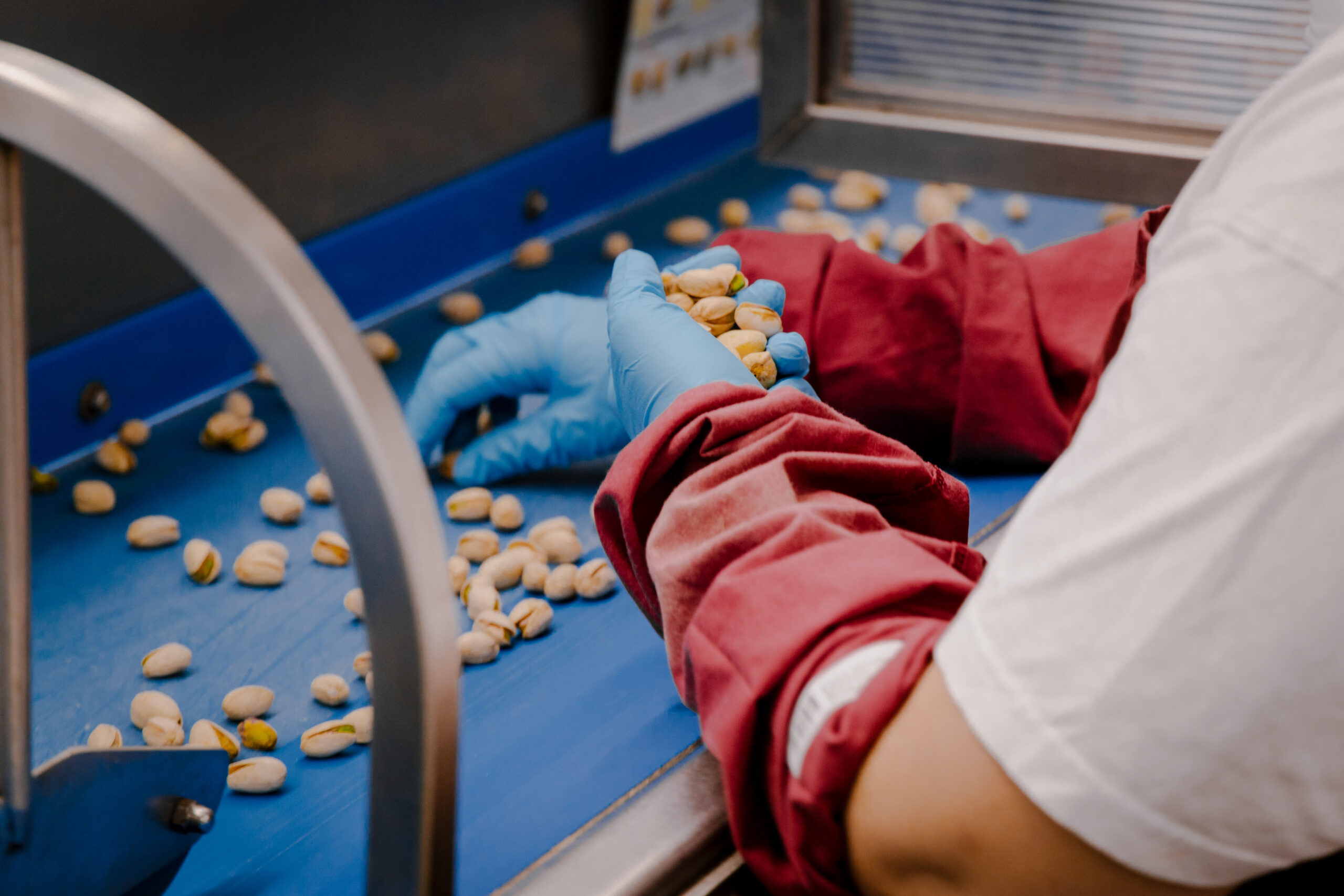
To reduce food waste, we also need to understand where and why it occurs.
Measurement allows us to identify the main sources of loss, analyze their evolution and assess the effectiveness of the measures implemented. In this process, coordination between different areas is essential to identify opportunities and implement improvement actions.
The objective is not simply to reduce a figure. It is also about understanding what is causing each loss so that we can address its root causes and prevent it from happening again.
Reports published in 2025 remind us that reducing food waste also depends on our decisions as consumers: planning our purchases more carefully, adjusting quantities, making the most of leftovers and storing food correctly are small actions that can make a difference.
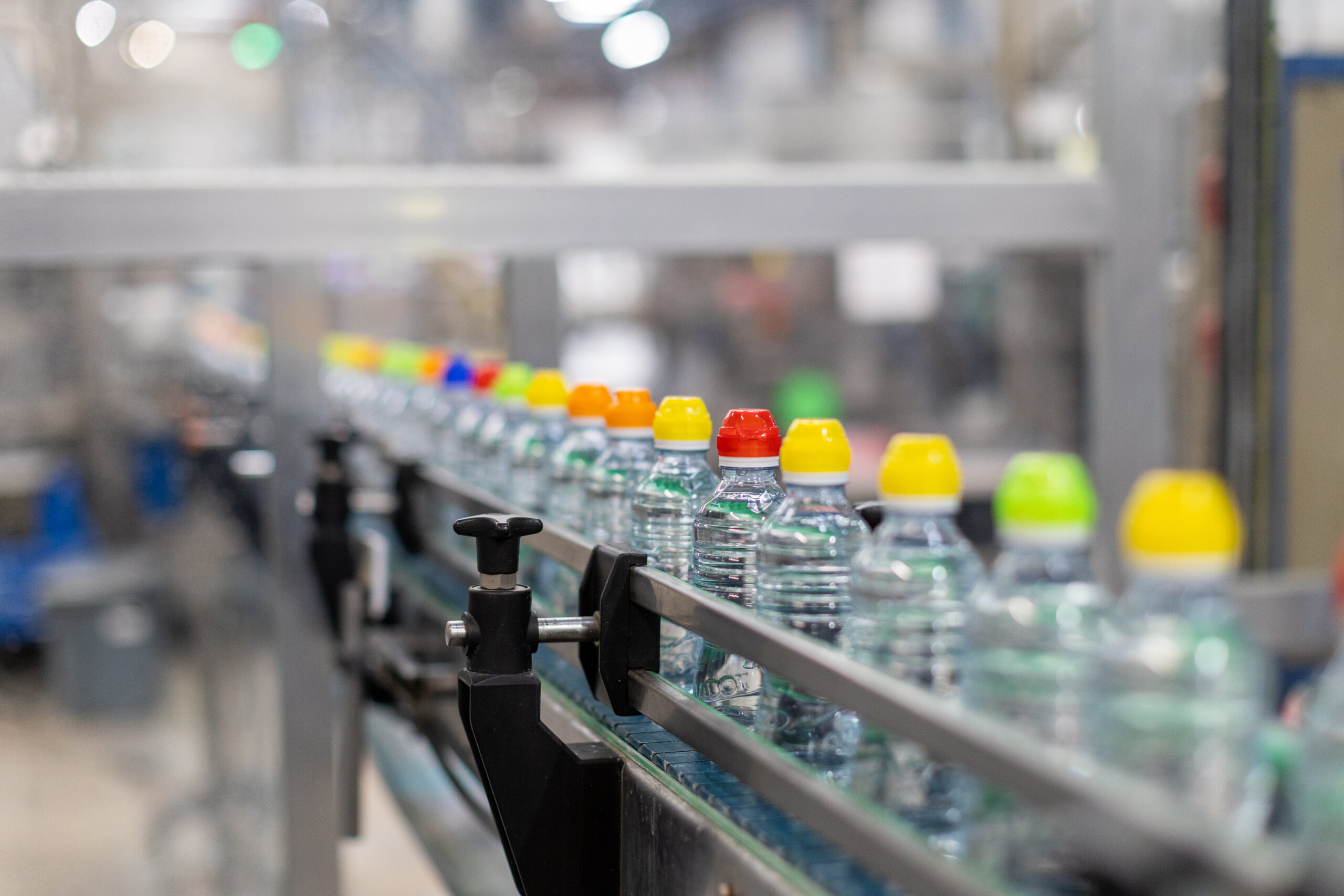
Coinciding with the International Day of Awareness of Food Loss and Waste, at Importaco we want to raise awareness of this issue among our teams and remind them that this commitment is also part of our everyday work.
That is why every decision counts: handling a product correctly, detecting a deviation in time, optimizing a process, adjusting a production line or suggesting an improvement all contribute to making better use of resources and avoiding unnecessary losses.
And this commitment does not end at our workplaces. We can also apply it at home by making more responsible use of the food we buy and consume.
Preventing food waste is a shared responsibility. At Importaco, we work every day to make better use of resources and move towards more responsible and sustainable ways of producing and consuming.