Why has pistachio become one of the fastest-growing crops?
In recent years, pistachios have gone from being a relatively uncommon crop in Spain to attracting growing interest from farmers.…
30 Oct, 2026
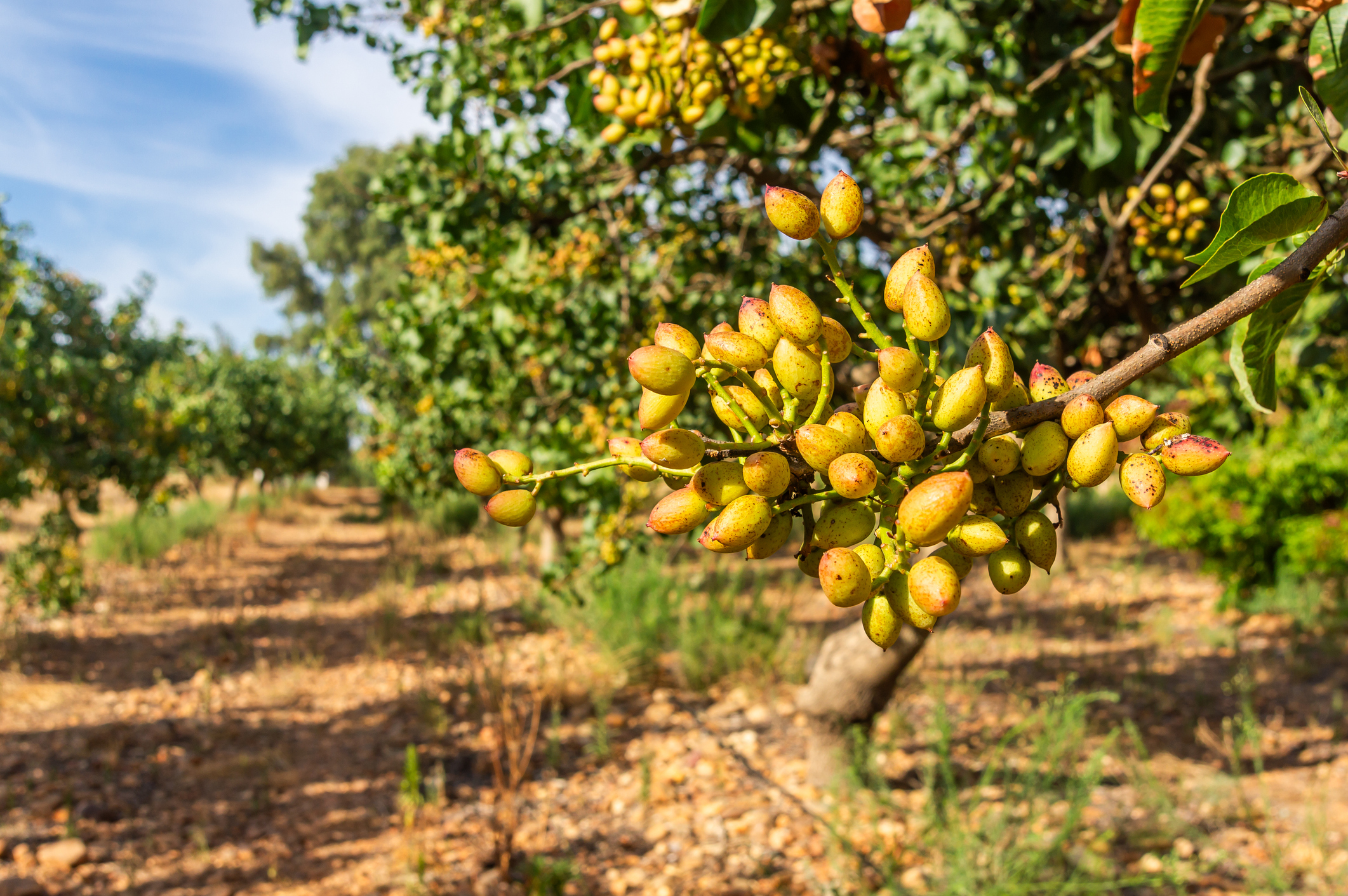
In recent years, pistachios have gone from being a relatively uncommon crop in Spain to attracting growing interest from farmers. New plantations continue to expand, and this is no coincidence. Behind this growth lies a combination of demand, profitability and climate adaptability that has brought pistachio cultivation into the spotlight in the agricultural sector.
For decades, global pistachio production has been concentrated in countries such as Iran, the United States and Turkey. In Spain, the area devoted to this crop was limited, and it was considered a relatively niche option.
This began to change with the development of more professional plantations, incorporating carefully selected varieties, tailored irrigation systems and long-term planning. The results achieved encouraged other growers to take an interest, and pistachio cultivation has gradually gained ground, particularly in areas where other fruit trees face greater challenges.
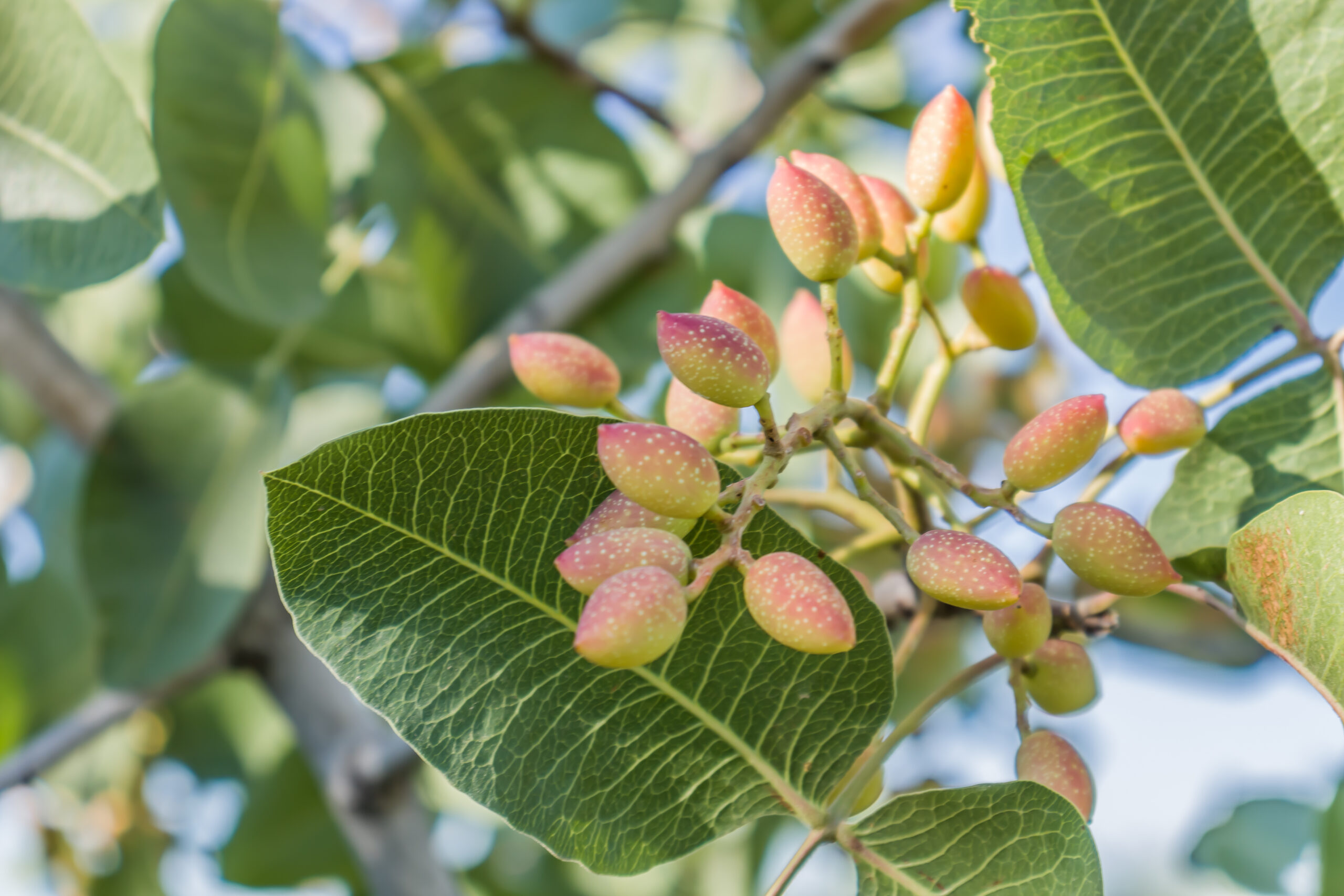
Nut consumption has increased as consumers look for healthier snacks and natural products. Pistachios also have a distinctive flavor and are increasingly used in baking, ice cream, cooking and processed food products.
Compared with other traditional crops, pistachios offer attractive economic value, which is another factor influencing farmers’ decisions when choosing what to grow.
Pistachio trees also cope well with long, dry summers, tolerate periods of water scarcity better than many other crops and can grow in certain lower-quality soils. In a context of increasing water scarcity, these characteristics make pistachio cultivation an interesting alternative, provided local growing conditions are suitable.
The appeal of pistachios goes beyond their cultivation. They are a nutrient-rich nut that provides plant-based protein, fiber and unsaturated fats, as well as potassium, vitamin B6 and antioxidants. Their nutritional profile and satiating properties make them a good choice for a snack between meals.
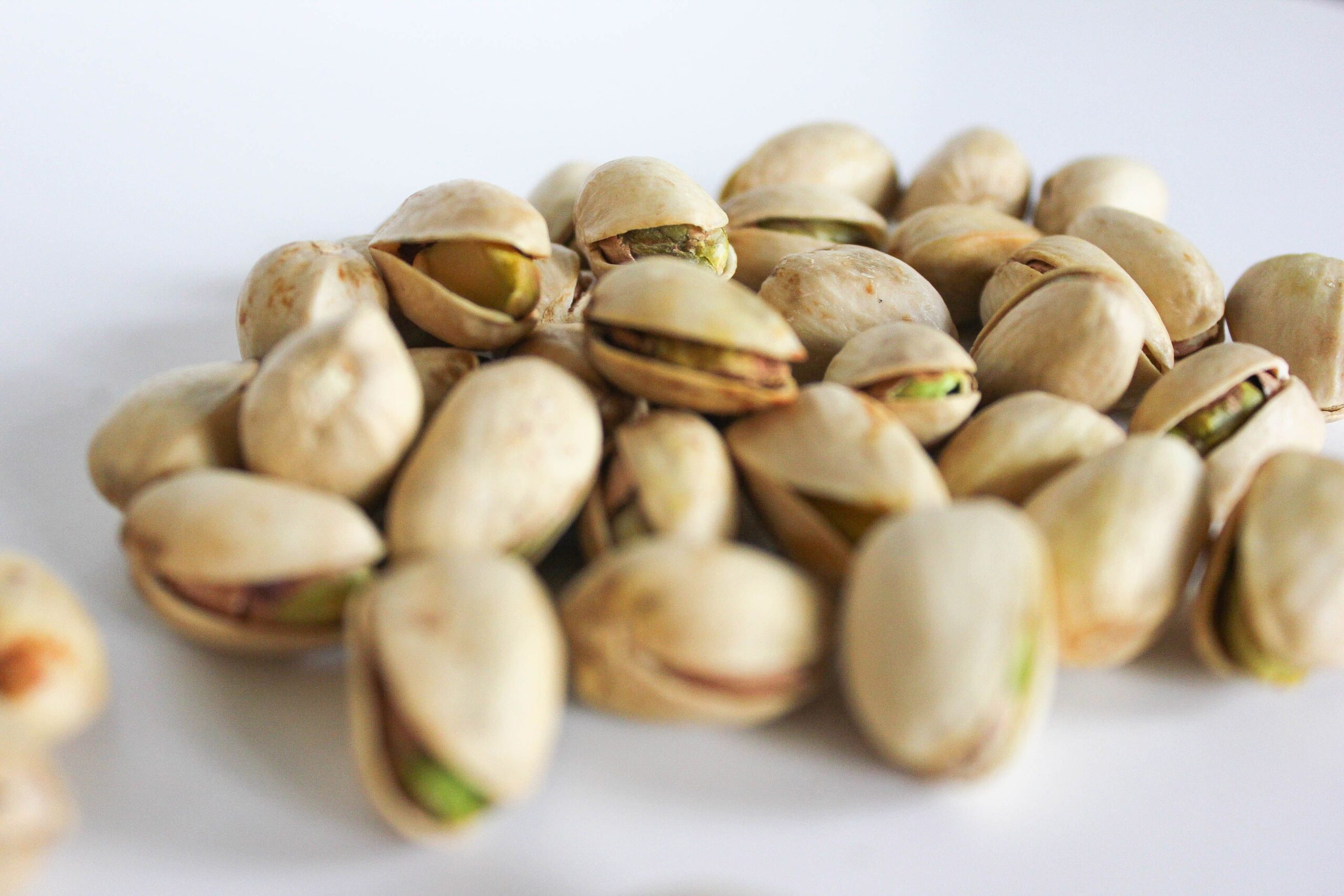
Pistachios are also highly versatile. They can be enjoyed on their own, in salads, creams, desserts or savory dishes. Their ability to adapt to all kinds of recipes is another part of their appeal.
Pistachio represents an alternative crop whose development requires time, knowledge and adaptation to the conditions of each growing area. As experience with its cultivation continues to grow, so does our understanding of its specific characteristics and requirements. This ongoing development makes it worth following its progress and assessing its potential from a long-term perspective.