Preventing food waste: every resource counts
Every food item that is wasted represents much more than a product that is not consumed. Behind it are raw…
14 Sep, 2026
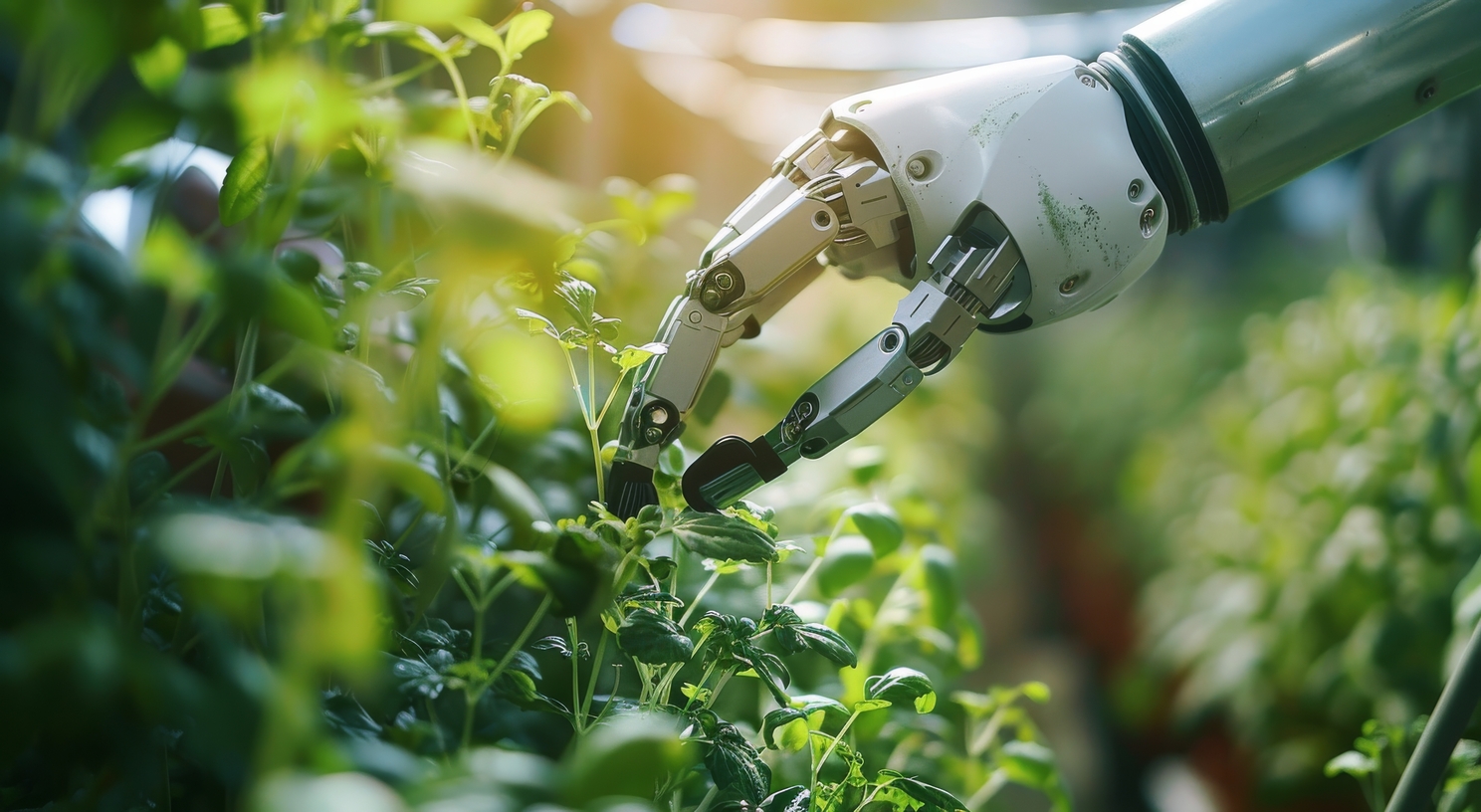
Artificial intelligence is no longer a technology associated exclusively with the future. Today, it is present across a wide range of fields and is beginning to be integrated into different processes across the agri-food sector.
From farming and production to distribution and supply chain management, AI can help analyze large amounts of data and support decision-making.
Its adoption comes at a time when the sector is facing challenges such as climate change and the need to use resources more efficiently.
AI is not only changing the way we use technology; it is also providing tools to help us move towards a more sustainable and competitive food supply chain.
The development of AI is opening up new possibilities across different areas and can improve the management of a wide range of processes.
AI can be used to forecast crop yields, detect diseases and identify crop needs, helping to anticipate potential problems and adjust actions at the right time.
In the food industry, AI can help monitor production processes, detect potential anomalies and anticipate maintenance needs. This makes it possible to identify potential issues before they affect the operation of facilities and supports more effective operational management.
AI can also be applied to demand forecasting, inventory planning and the optimization of logistics operations, helping to improve coordination across the different stages of the supply chain.

Artificial intelligence is beginning to become part of the way we work at Importaco, helping us analyze information more effectively, automate tasks and support decision-making.
Our approach is based on a clear principle: technology should serve people and deliver real value to our processes, while always being used responsibly, securely and in line with business needs.
A tool available across the organization
One of our first steps has been to provide access to corporate generative AI tools, such as ChatGPT and Microsoft Copilot, to support day-to-day tasks.
These tools are being used in areas such as information analysis and summarization, document creation, translation, training, content generation and support in answering queries.
The goal is not simply to introduce new tools but to learn how to use them effectively and responsibly, identifying those situations where they can genuinely improve the way we work.
New capabilities in our business platforms
The evolution of leading enterprise platforms is progressively incorporating new functionalities based on artificial intelligence.
At Importaco, we assess these capabilities to identify how they can help simplify tasks, improve access to information and optimize specific business processes.
The challenge is to turn technology into practical solutions that enable our teams to work more efficiently, respond more quickly and continuously improve the way we operate.
Greater precision in production and quality
Artificial intelligence also has applications in industrial environments.
In our operations, we use computer vision technologies to strengthen certain controls throughout the production process and enhance our ability to analyze information.
We are also exploring predictive models applied to quality, capable of identifying patterns and relationships between different variables. In this way, historical data can be transformed into useful insights that help anticipate potential deviations, strengthen controls and support continuous improvement.
Artificial Intelligence for knowledge management
Another area with significant potential is the development of specialized assistants and agents capable of accessing documentation, organizing information and answering questions in natural language.
These solutions can make procedures, internal documentation and corporate knowledge easier to access, reducing search times and making information more readily available to people across the organization.
We are also exploring their application in areas such as business intelligence and data analysis, technology support, and the automation of certain administrative and technical tasks.
Our approach to artificial intelligence is based on a simple idea: technology creates value when it responds to a specific need. For this reason, we combine initiatives that are already operational with pilot projects and capabilities that will be introduced as our technology architecture evolves.
Rather than implementing AI as an end in itself, we aim to progressively integrate it into the organization as a tool that supports people, facilitates access to knowledge, automates repetitive tasks and enables better-informed decisions.
The adoption of these tools does not replace the knowledge and experience of professionals in the agri-food sector. Instead, it allows these capabilities to be complemented by new ways of working and making decisions.
Technology can provide information and new perspectives, but it is people who understand the context and decide how to act. Advancing in the use of AI therefore means complementing existing capabilities with new tools to continue improving the way we work.
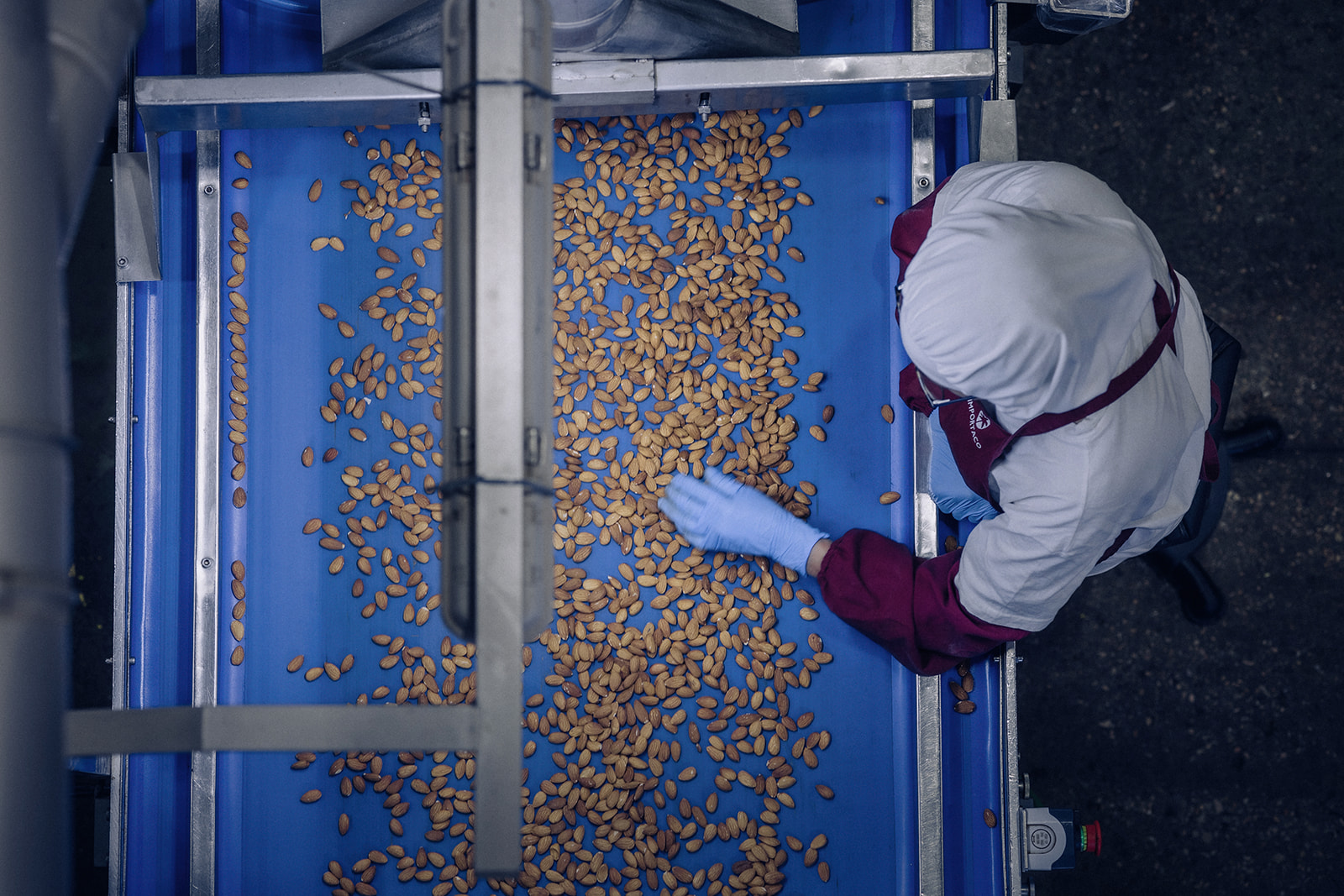
Artificial intelligence is opening up new possibilities for the agri-food sector, and its applications will continue to evolve as technological capabilities and our understanding of how to use them grow.
The challenge is to understand how to make the most of these new tools to address the sector’s real needs, integrating innovation into processes and generating value at every stage of the food supply chain. Only in this way can we move towards a sector that is better prepared to meet the challenges of the future.
At Importaco, we continue to move forward with an approach based on usefulness, security and continuous learning, seeking to ensure that technology contributes to improving efficiency, knowledge and the organization’s capacity to innovate.